Planning to become a licensed aesthetician in Florida? This guide covers everything you need to know: training hours, exam requirements, application process, and what comes after licensing.
What Does Florida Require for Aesthetician Licensure?
Florida licenses aestheticians through the Department of Business and Professional Regulation (DBPR). The state requires completion of an approved training program and passing a practical examination before you can legally perform aesthetician services.
The Florida Board of Cosmetology oversees aesthetician licensing as part of its broader regulation of beauty professionals. Understanding these requirements is the first step toward your aesthetician career in Florida.
Training Hour Requirements
Florida requires 220 hours of training from a state-approved cosmetology or aesthetician school. This is significantly less than many other states, which can require 600-1,000+ hours for aesthetician licensure.
The 220-hour curriculum covers fundamental skills:
- Facial treatments and skin analysis
- Extractions and basic exfoliation
- Product knowledge fundamentals
- Sanitation and safety protocols
- Florida laws and rules
Some students complete this training in as little as 2-3 months at full-time programs. Part-time schedules extend the timeline accordingly.
Understanding the Facial Specialist License
In Florida, the term 'Facial Specialist' is the official name for what's commonly called an esthetician license. This license allows you to perform skin treatments on clients.
Estheticians (Facial Specialists) can treat skin anywhere on the body, not just the face, neck, and scalp. This flexibility allows you to offer services like back facials and body treatments.
Florida also offers a 'Full Specialist' license, which combines esthetics training with nail services. However, most aspiring estheticians pursue the Facial Specialist license to focus specifically on skin care services.
The Florida Aesthetician Exam
After completing your training hours, you must pass an examination to become licensed. All testing is completed through your approved training school, not through the DBPR directly.
The exam evaluates your ability to perform aesthetician services safely and correctly. You'll demonstrate techniques and show your understanding of key concepts.
Key exam topics include:
- Client consultation and skin analysis
- Facial procedure execution
- Sanitation protocols
- Product application techniques
- Safety practices
Your training school should prepare you thoroughly for examination content. Quality programs ensure their students are ready to pass on their first attempt.
Application Process and Costs
Once you pass the examination, you apply for licensure through the DBPR.
Basic application steps:
- Complete examination with passing score
- Submit application to DBPR
- Pay licensing fees
- Receive license and begin practicing
License fees and renewal costs change periodically. Check the current DBPR fee schedule for accurate pricing.
Florida requires license renewal every two years. Continuing education requirements apply to renewals, so budget time for ongoing learning throughout your career.
Why 220 Hours Isn't Enough for Advanced Careers
Here's what Florida's licensing framework doesn't tell you: 220 hours establishes a legal baseline, not career readiness.
Walk into any medspa in Jacksonville, Ponte Vedra, or St Augustine and look at their service menus. Chemical peels. Dermaplaning. Advanced exfoliation treatments. Lash services. These modalities are standard offerings at competitive facilities.
Basic Florida training doesn't cover these services. The 220-hour curriculum focuses on foundational skills, not the advanced treatments that employers actually need.
This creates a gap. New aestheticians are licensed but underprepared. They can legally work but lack the skills for desirable positions.
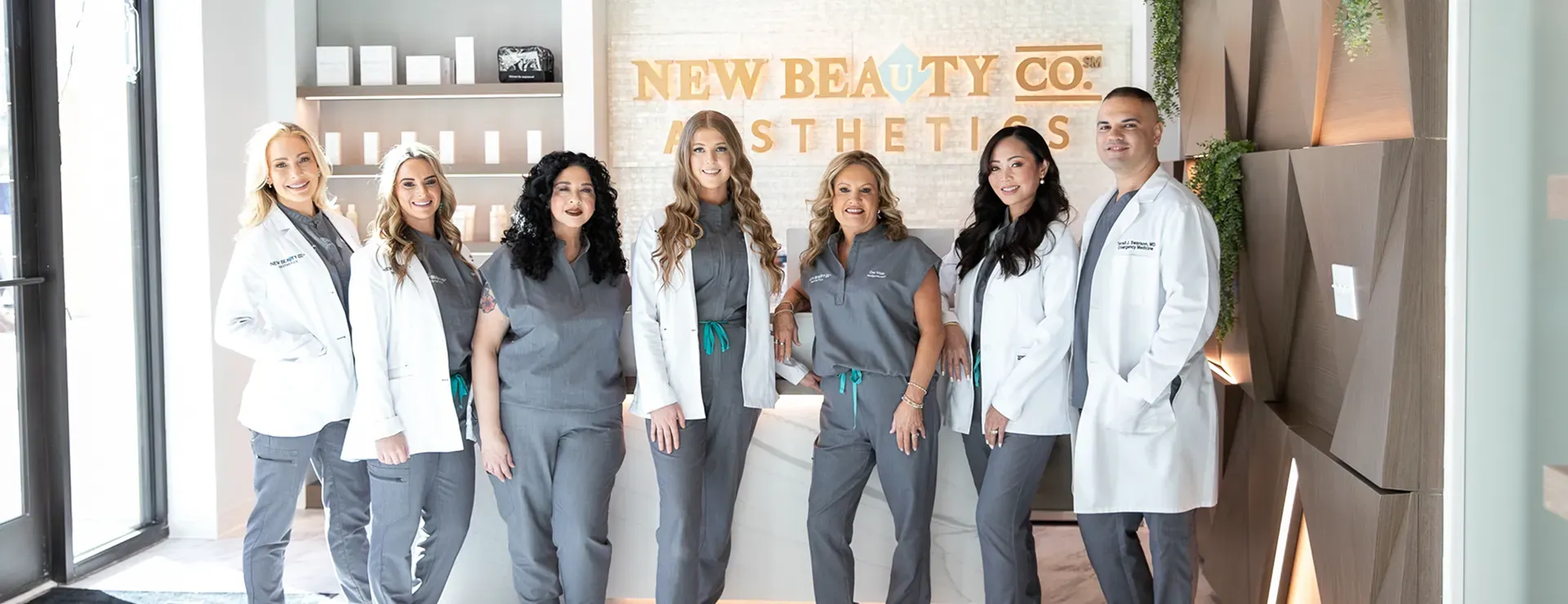
Advanced training after licensure closes that gap. Programs like New Beauty Company Aesthetics Academy's Advanced Aesthetics course deliver the clinical skills, certifications, and real-world preparation that basic training omits.
What Advanced Training Adds
Advanced aesthetician training typically covers:
- Chemical peels - From superficial to medium-depth, including product-specific certifications like PCA Peel Certification
- Dermaplaning - Blade technique, contraindications, and combination treatments
- Advanced exfoliation - Microdermabrasion, enzyme treatments, and professional-grade products
- Lash services - Lifts, tints, and extensions
- Advanced skin analysis - Identifying conditions and treatment planning
These skills transform a licensed aesthetician into a medspa-ready professional. The investment in advanced training typically pays back through higher wages and better job opportunities.
Getting Licensed in Northeast Florida
If you're pursuing aesthetician licensure in the Jacksonville, St Johns, or greater First Coast area, research local training schools carefully.
Consider these factors:
- Pass rates on the state examination
- Curriculum depth beyond minimum requirements
- Graduate employment outcomes
- Instructor credentials and experience
Some basic training programs also offer advanced training options, allowing you to continue your education without changing schools.
After licensure, consider your next steps immediately. The aesthetics job market in Northeast Florida is competitive. Aestheticians with advanced certifications stand out to employers.